How to Keep a Sleep Diary Your Doctor Can Use
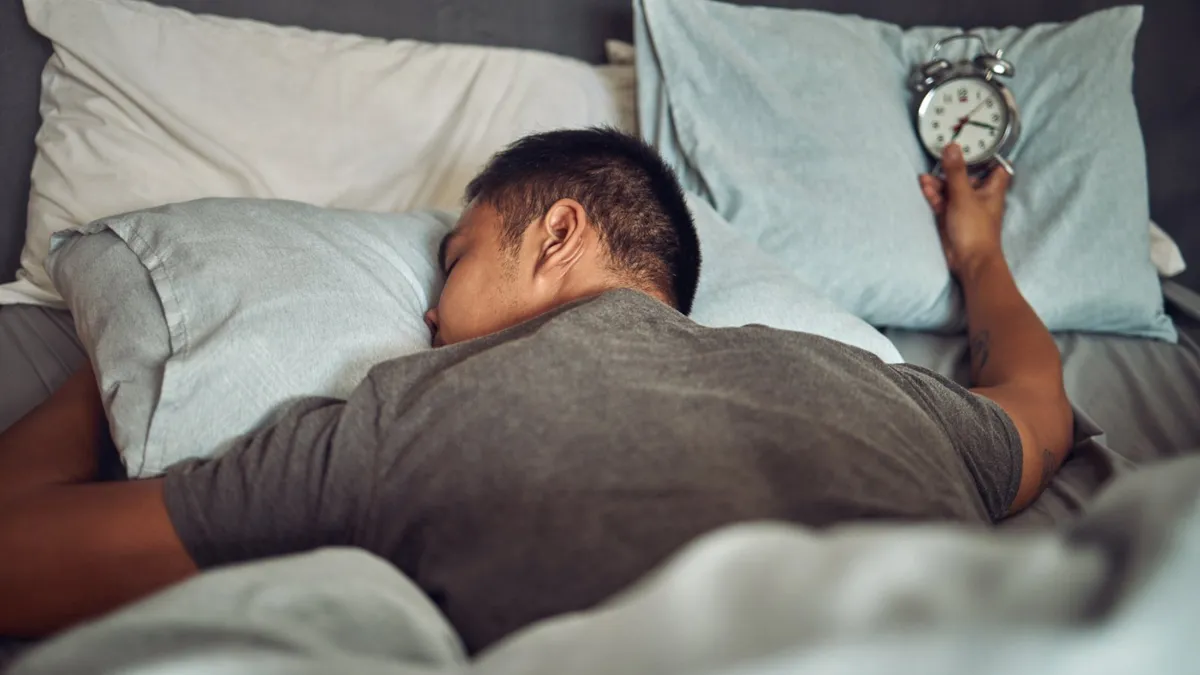
When you are tired, "How has your sleep been?" can be surprisingly hard to answer. You remember the worst night or a number from your watch. A short note can keep details you would otherwise forget. If you're not sure which type of sleep problem you have, start there.
Keep this optional and simple. Its purpose is to support a conversation, not give your night another grade.
Start with what you remember
A useful note might say: "About eight hours available for sleep. Fell asleep fairly easily. Woke once for a long stretch and felt hot. Low concentration before lunch. Usual morning coffee; no new medicines."
This is a made-up example. It separates the experience, what was going on around it, and how it affected the day, without claiming a cause.
A note for a different person could be: "Bedtime was later because I was caring for my child. Several interruptions. Sleepy during the morning meeting." The circumstances change the question. A complicated evening routine may not fix the practical problem that person faces.
Use the detail that fits your pattern
- Tired-But-Wired: remember what getting into bed felt like and whether your thoughts became active.
- 3 a.m. Waker: remember the main long waking and anything that came with it.
- Fragmented Sleeper: remember the interruptions that keep happening, rather than trying to time every one.
- Non-Restorative Sleeper: describe how refreshed you felt in the morning and which daytime task felt harder.
You can also note an unusual schedule, caffeine or alcohol timing, medication changes, pain, or night sweats when they matter. "No obvious explanation" is an honest and useful entry.
Make the note manageable
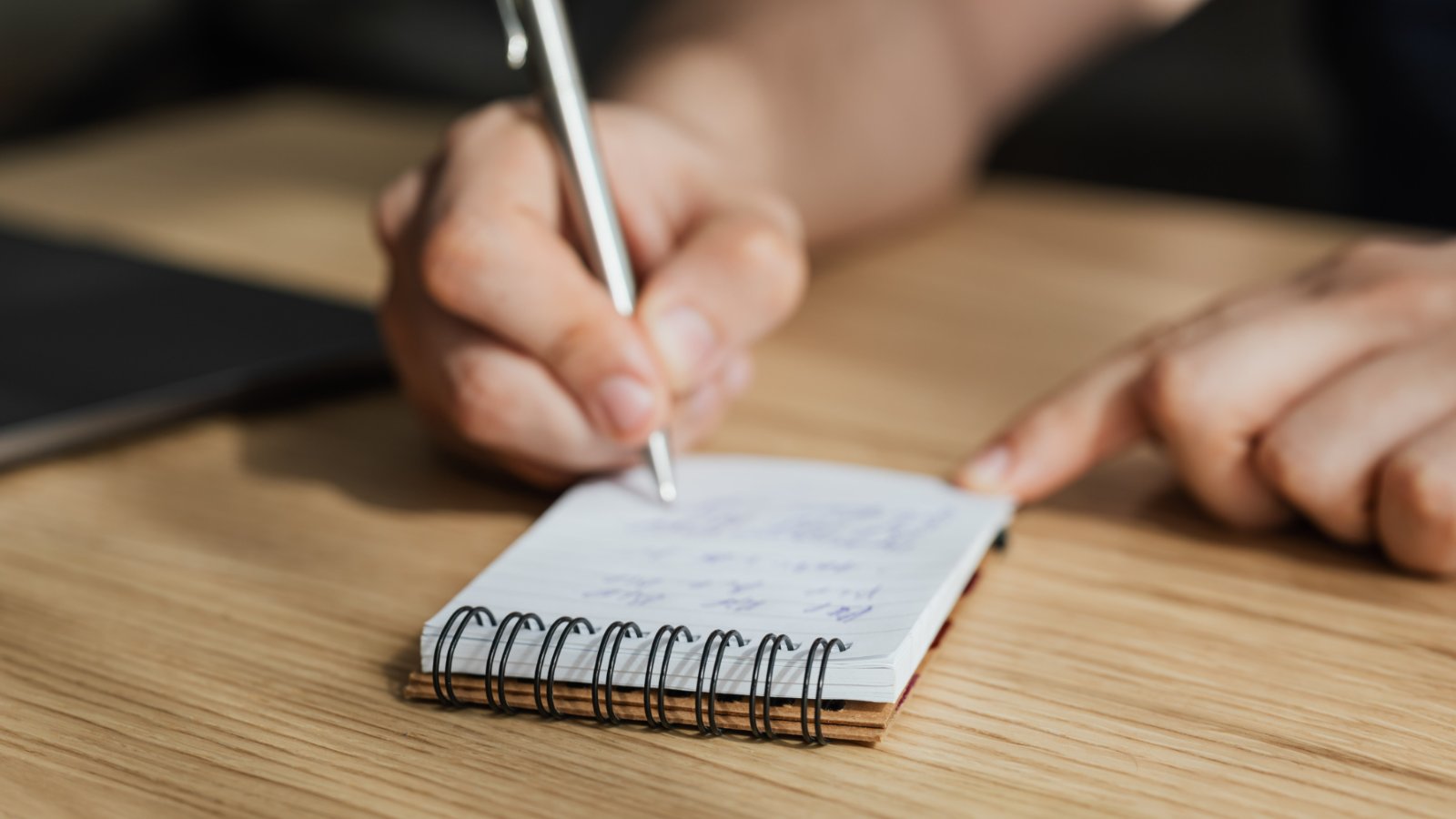
If you are preparing for a medical visit, a short sleep diary over one or two weeks can help describe a pattern. Estimate times the next morning rather than watching the clock all night. Keep the record on paper or in your own private notes.
Missed a morning? Leave it blank. Had a single better night? Write it down without deciding you have found the answer. If tracking makes you more anxious, keep it simpler and mention that to your doctor.
If your tracker and your experience disagree
A reassuring device score does not cancel out feeling unwell, and a low score alone does not diagnose a sleep disorder. Sleep data from consumer devices needs context; a doctor can decide what information is useful and whether formal testing makes sense.
For a conversation, try: "The watch says my sleep looks fine, but I'm struggling to stay alert at work." That makes the disagreement clear without treating either piece as the whole story.
Your takeaway and next step
Your takeaway: A useful sleep note connects the part of the night you remember with what was going on around it and the effect on your day.
Your next step: Tomorrow morning, jot down one sentence about the main difficulty you remember and anything happening around it. Add how you felt during the day when you know. Estimates are enough; there is no need to watch the clock overnight.
Want to keep learning?
For more education and discussion about sleep, energy, and healthy aging, you're welcome in the free Optional Aging community on Skool. Join the free community
Not sure where to start? Take the free DriversPulse assessment to see which areas may be affecting how you feel. It's free, with no cost to you. Take the free DriversPulse assessment
Want a doctor to look at the whole picture? With Healthspan Radar, Dr. Sajad Zalzala personally reviews your health story and any labs you choose to share. Get my Healthspan Radar
Educational information only. This article does not diagnose any condition or replace care from your own doctor.
Written by Dr. Sajad Zalzala, physician and founder of Optional Aging.