Hot Flashes, Night Sweats and Brain Fog: When Menopause Makes You Feel Older
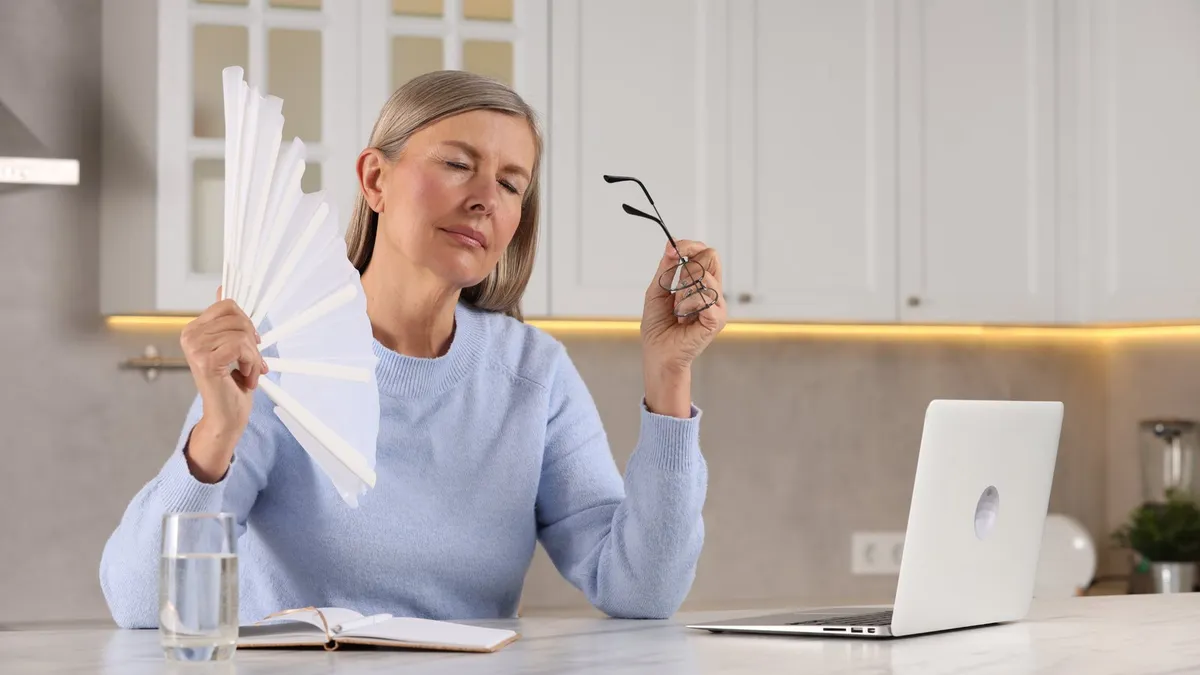
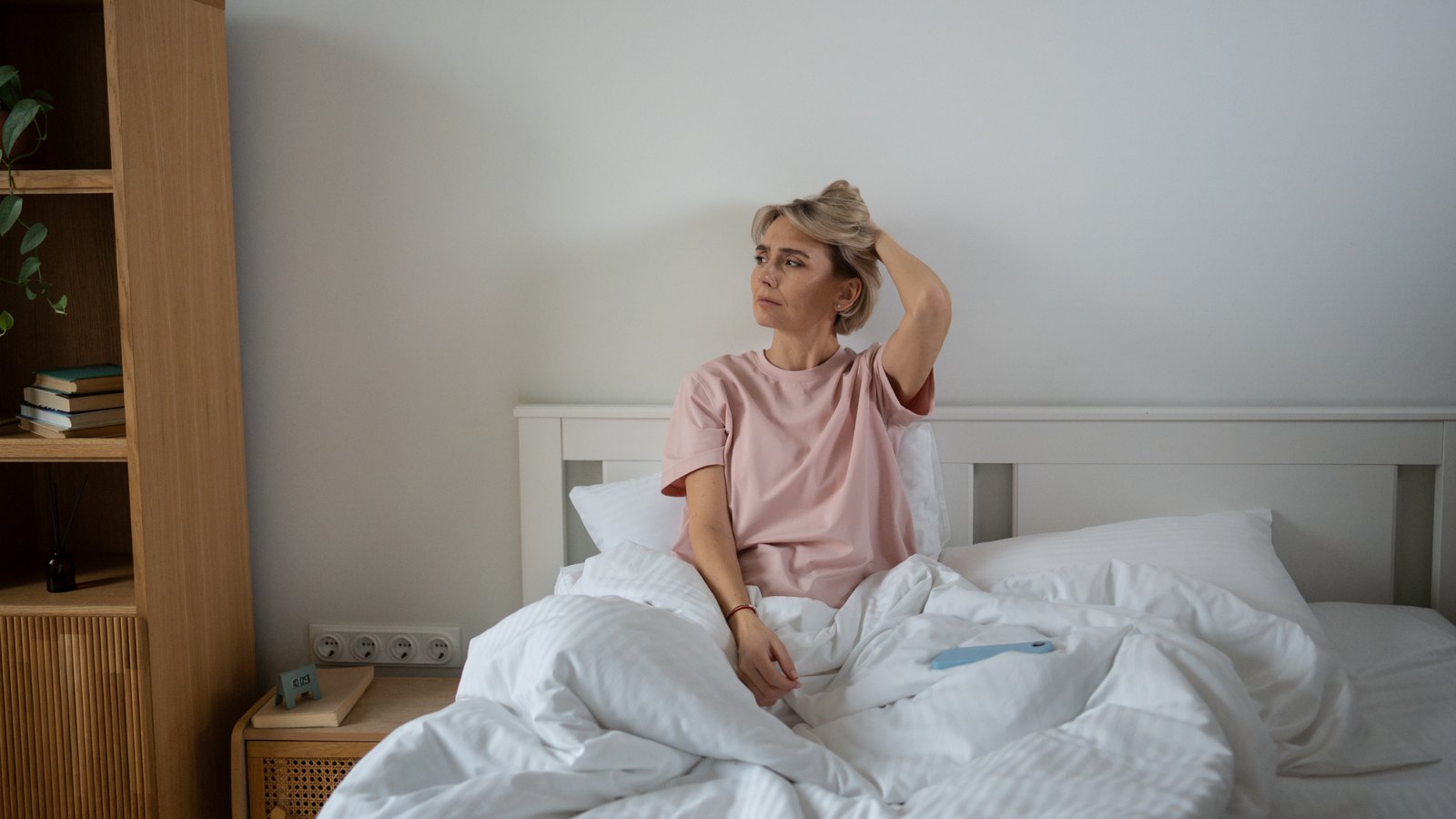
It can feel like it all happened at once. You're waking up hot in the night, your sleep is broken, your mood shifts more easily and your thinking feels foggy. Some women describe it as suddenly feeling ten years older.
In Optional Aging's teaching, this is one of the most common patterns after menopause. When estrogen and progesterone fall, it can affect your temperature control, sleep, mood and thinking.
What this pattern often feels like
- Hot flashes and night sweats
- Waking up during the night and struggling to get back to sleep
- Mood swings or feeling more irritable
- Brain fog or trouble focusing
- Joint stiffness, vaginal dryness or lower interest in sex
Why it can make you feel older
Estrogen and progesterone do more than run your cycle. They help with sleep, mood, body temperature and brain function. When they drop, many systems feel it at once. Poor sleep from night sweats then makes the fog and low mood worse, and the cycle feeds itself.
Dr. Sajad Zalzala's view is that sleep and these brain-related symptoms shouldn't be ignored while only looking at weight or metabolism. If foggy mornings are a big part of it, see Brain Fog in the Morning?.
What it isn't
- It isn't something you just have to put up with.
- It isn't "all in your head."
- It isn't the same for every woman. Your pattern matters.
What to notice first
- How often you have hot flashes or night sweats, and when.
- How many times you wake up at night.
- Your mood and focus during the day.
- When your last period was.
MedlinePlus has a clear overview of menopause and of hormone therapy if you want to read more before your appointment.
Your takeaway and next step
Your takeaway: Falling hormones can affect sleep, mood, focus and comfort all at once. Feeling older during menopause is common, and it's worth getting help for.
Your next step: Keep a two-week note of hot flashes, night wakings and mood, and bring it to your doctor to talk about your options.
When to talk to a doctor
See a healthcare professional about symptoms that affect your daily life. Any bleeding after menopause, meaning after 12 months without a period, should be checked by a doctor promptly.
Want to keep learning?
For more education and discussion about menopause, sleep, and healthy aging, you're welcome in the free Optional Aging community on Skool. Join the free community
Not sure where to start? Take the free DriversPulse assessment to see which areas may be affecting how you feel. It's free, with no cost to you. Take the free DriversPulse assessment
Want a doctor to look at the whole picture? With Healthspan Radar, Dr. Sajad Zalzala personally reviews your health story and any labs you choose to share. See how Healthspan Radar works
Educational information only. This article does not diagnose any condition or replace care from your own doctor.
Written by Dr. Sajad Zalzala, physician and founder of Optional Aging.