
Can't Lose Weight No Matter What You Do? Why It's Not About Willpower
You're eating better. You're moving more. Maybe you've tried three different plans this year. And the scale still won't budge. At some point it's easy to decide the problem is you.
Dr. Sajad Zalzala puts it differently: "Normal numbers can hide abnormal effort." Your labs and your weight can look fine while your body is working much harder than it should to stay that way.
Look at the effort, not just the numbers
In Optional Aging's teaching, there are two things to look at. One is your state: your weight, waist and lab results. The other is your effort: how hard your body is working to keep those numbers steady. That effort shows up as cravings, crashes, poor recovery and unstable hunger.
Two people can have the same weight and the same labs. One body is cruising. The other is holding on with a lot of effort. Only one of them is likely to find weight loss easy.
When everything feels hard at once
Some people have a mix of signals all at the same time:
- Cravings and tiredness
- Weight around the middle
- Feeling weaker or slower to recover
- Small setbacks, like one bad night or a busy week, that undo a lot of progress
If that sounds like you, it can help to read about each piece on its own: belly fat after 40, losing muscle and feeling tired after eating.
Many things affect weight besides food and exercise, including sleep, stress, medicines, genes and hormone changes like menopause. The NIDDK has a helpful overview of the factors that affect weight.
Why doing more can backfire
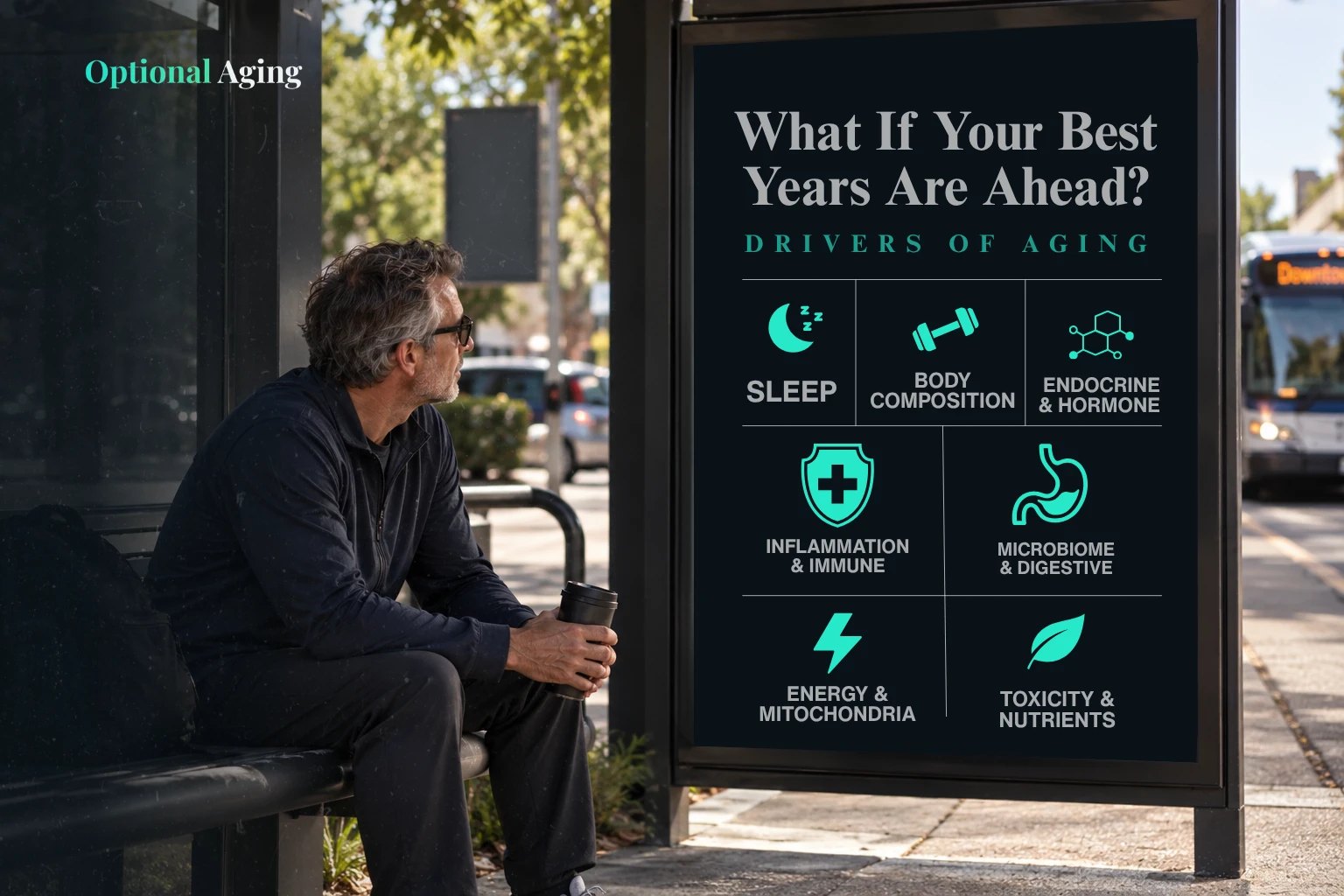
When nothing works, the natural move is to do more: cut more food, add more workouts, start three supplements at once. Dr. Sajad Zalzala's rule is the opposite. When several things are strained, the order you fix them in matters more than how hard you push.
Doing everything at once also makes it impossible to tell what helped.
What to try first
- Look at sleep first. Poor sleep can make hunger and cravings stronger. If your nights are rough, start with 4 Types of Sleep Problems.
- Add protein to each meal rather than cutting more food.
- Walk most days and add some strength exercise, even a little.
- Change one thing at a time and give it 2 to 4 weeks before adding the next.
While you do this, track a few simple signals: your waist, your energy, your cravings and a basic strength check. These often change before the scale does.
Your takeaway and next step
Your takeaway: If you're doing a lot and not seeing results, it's not a willpower problem. It's often a sign your body is under strain, and the answer is a better order, not more effort.
Your next step: Write down the one change that feels easiest for you right now. Do only that for the next two weeks and notice what shifts.
When to talk to a doctor
See a healthcare professional if your weight changes quickly without a clear reason, if you're very tired all the time, or if you take medicine for diabetes or blood pressure and plan to change how you eat. Some medicines and health conditions can affect weight, and your doctor can check for them.
Want to keep learning?
For more education and discussion about weight, energy, and healthy aging, you're welcome in the free Optional Aging community on Skool. Join the free community
Not sure where to start? Take the free DriversPulse assessment to see which areas may be affecting how you feel. It's free, with no cost to you. Take the free DriversPulse assessment
Want a doctor to look at the whole picture? With Healthspan Radar, Dr. Sajad Zalzala personally reviews your health story and any labs you choose to share. See how Healthspan Radar works
Educational information only. This article does not diagnose any condition or replace care from your own doctor.
Written by Dr. Sajad Zalzala, physician and founder of Optional Aging.