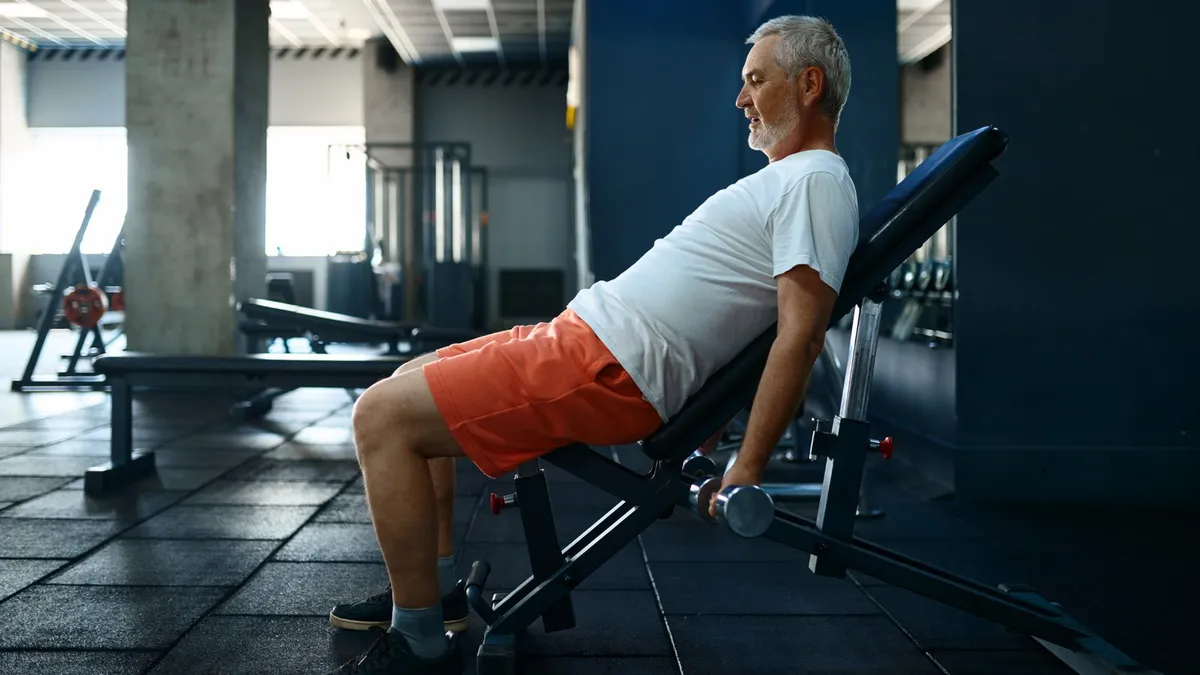
Why Do I Take Longer to Recover After Exercise After 40?
A workout that used to leave you a little sore for a day now leaves you stiff for two or three. You need more rest between sessions, and pushing through feels harder than it used to.
Dr. Sajad Zalzala often reminds people that recovery is part of the dose. Exercise is the signal. Recovery is when your body actually gets stronger.
Why recovery slows down
As we get older, a few things change at once. Muscle repair can take longer. Sleep often gets lighter or more broken. Hormone changes, especially around menopause, can affect muscle and joints. And low-level inflammation can make it harder for the body to finish the repair job.
None of this means you should stop exercising. It means the balance between effort and recovery matters more than it did at 25.
What slower recovery often feels like
- Soreness or stiffness lasting two days or more
- Feeling tired or flat the day after a workout
- Needing more days off between hard sessions
- Small aches that take longer to go away
What helps most
- Sleep. It's when most repair happens. If your nights are rough, see 4 Types of Sleep Problems.
- Protein at each meal, to give your muscles what they need to rebuild.
- Easier days between harder ones. Walking counts.
- Building up slowly. Increase how long or how hard you exercise a little at a time.
MedlinePlus has a helpful page on exercise for older adults.
What it isn't
- It isn't a sign that you're too old to exercise.
- It isn't a reason to stop. Regular, sensible exercise usually improves recovery over time.
- It isn't always about the workout. Poor sleep or stress can slow recovery just as much.
Your takeaway and next step
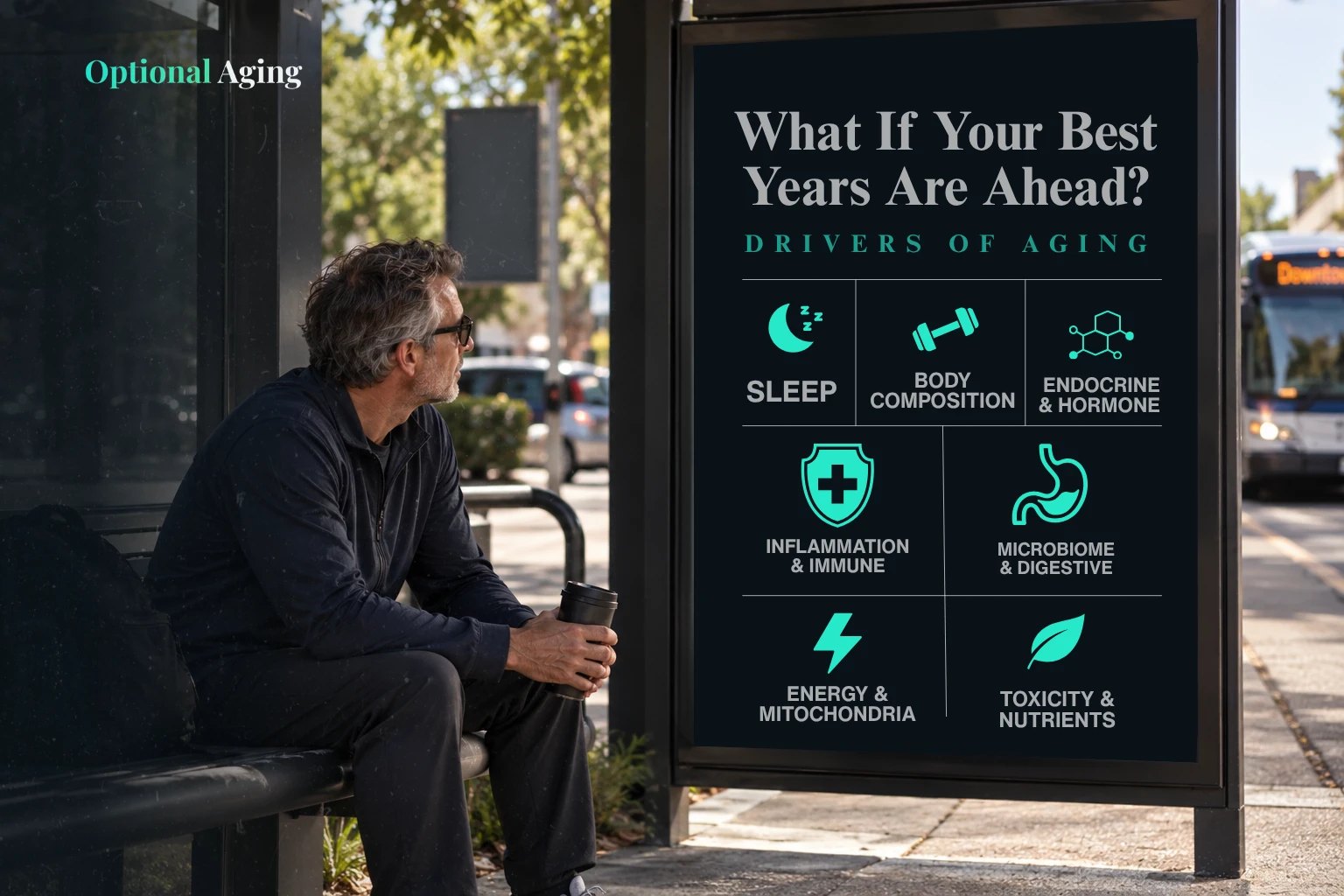
Your takeaway: Slower recovery after 40 is common, and it usually means you need to plan your recovery, not stop moving.
Your next step: For the next two weeks, put at least one easy day between harder workouts and notice how you feel.
When to talk to a doctor
See a healthcare professional for pain that's sharp, swollen, or doesn't improve after a week or two, or for pain that wakes you at night. If you have heart, joint or balance problems, check with your doctor before increasing your exercise. MedlinePlus covers common sports injuries.
Want to keep learning?
For more education and discussion about recovery, movement, and healthy aging, you're welcome in the free Optional Aging community on Skool. Join the free community
Not sure where to start? Take the free DriversPulse assessment to see which areas may be affecting how you feel. It's free, with no cost to you. Take the free DriversPulse assessment
Want a doctor to look at the whole picture? With Healthspan Radar, Dr. Sajad Zalzala personally reviews your health story and any labs you choose to share. See how Healthspan Radar works
Educational information only. This article does not diagnose any condition or replace care from your own doctor.
Written by Dr. Sajad Zalzala, physician and founder of Optional Aging.