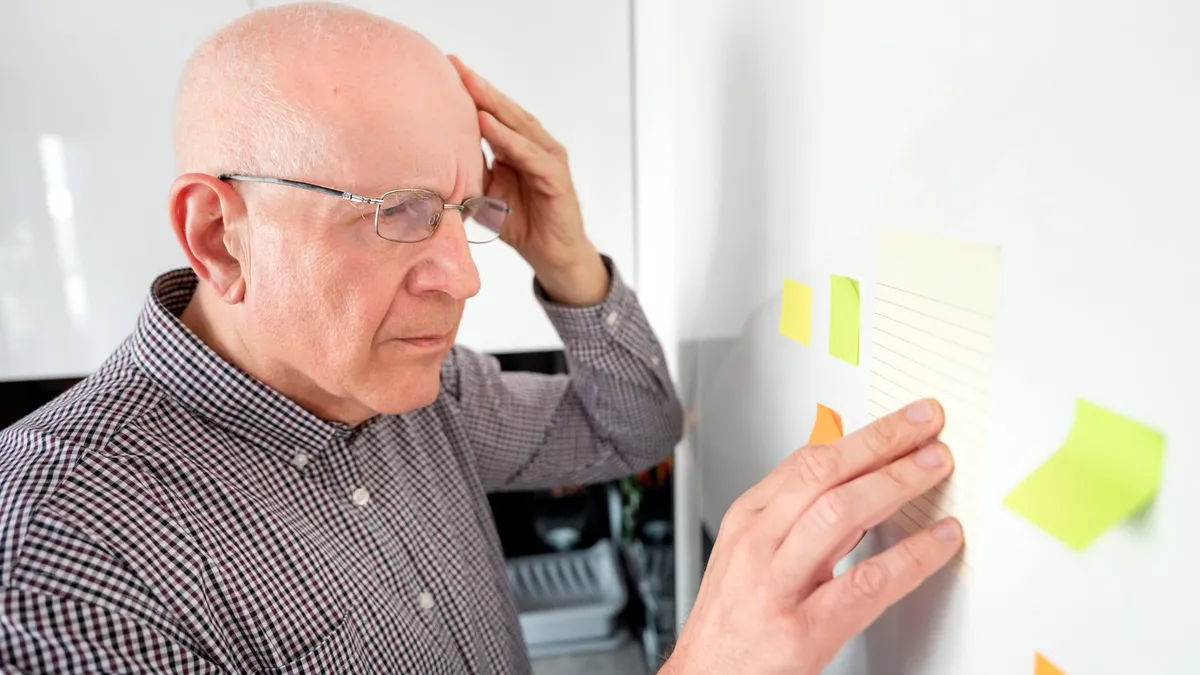
Forgetting Words and Names When You're Stressed? What It Can Mean
"I know the word, I just can't get to it." "It comes back later, when I'm not stressed." Moments like these can be scary, especially as we get older. Many people quietly worry it's the start of something serious.
In Optional Aging's teaching, this is called the Memory Slips Under Load pattern. The key idea is reassuring: in this pattern, the memory is still there. It's getting to it under pressure that's hard.
What this pattern often feels like
- Blanking on a word or name during a conversation
- Going blank in meetings, presentations or when put on the spot
- Remembering easily later, once you've relaxed
- Still being able to learn new things
- Growing worry about your memory, which makes the slips more likely
Dr. Sajad Zalzala puts it simply: nothing is missing, it's temporarily out of reach.
Why it happens
Pulling up a word or name takes mental energy. When you're stressed, tired or juggling a lot, there's less of that energy to go around, so recall is often the first thing to slip. Poor sleep and ongoing stress can make it worse.
Worry adds to it. The harder you try to remember, the more pressure you put on the system. That's why the word often pops up an hour later, when you've stopped trying.
What it isn't
When memory comes back once the pressure is off, that's a good sign. In this pattern, it usually isn't the kind of memory loss that gets steadily worse. MedlinePlus explains the difference between normal forgetfulness and more serious memory problems.
That said, only a doctor can tell what's behind your memory changes. If you're worried, getting checked is the right move, and it often brings peace of mind.
What to notice first
- When the slips happen. Under pressure, when tired, or anytime?
- Whether the word or name comes back later.
- How you slept and how stressful the day was.
- Whether other people have noticed changes, or it's mostly you.
If you also shut down in noisy, busy settings, read Overwhelmed and Can't Think?

Your takeaway and next step
Your takeaway: Blanking on words under pressure and remembering later often points to a brain that's stretched thin, not one that's losing memories.
Your next step: For two weeks, jot down each slip with the time and what was going on. A pattern tied to stress or tiredness is useful information for you and your doctor.
When to talk to a doctor
See a healthcare professional if memory problems are getting worse over time, if you get lost in familiar places, if you repeat the same questions, or if family members are worried. Get emergency help right away for sudden trouble speaking, confusion or weakness on one side of the body, which can be signs of a stroke.
Want to keep learning?
For more education and discussion about memory, focus, and healthy aging, you're welcome in the free Optional Aging community on Skool. Join the free community
Not sure where to start? Take the free DriversPulse assessment to see which areas may be affecting how you feel. It's free, with no cost to you. Take the free DriversPulse assessment
Want a doctor to look at the whole picture? With Healthspan Radar, Dr. Sajad Zalzala personally reviews your health story and any labs you choose to share. See how Healthspan Radar works
Educational information only. This article does not diagnose any condition or replace care from your own doctor.
Written by Dr. Sajad Zalzala, physician and founder of Optional Aging.